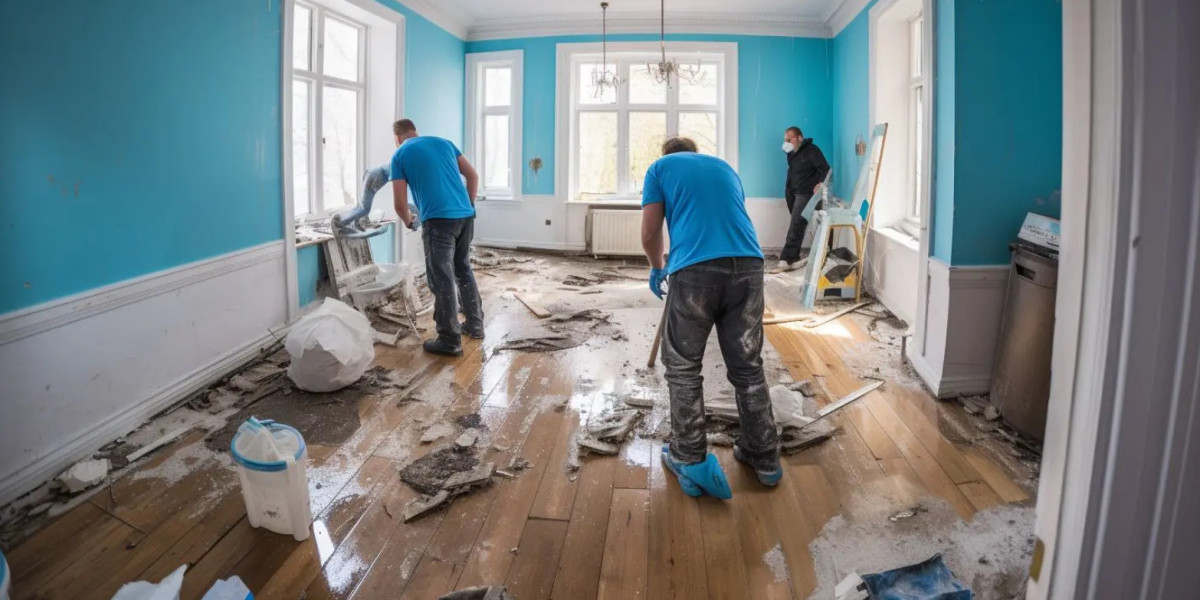

When a home suffers from a pipe burst, roof leak, or local flooding, the immediate focus is usually on extracting standing water and drying out expensive furniture. However, one of the most critical components of your home’s infrastructure is often hidden behind the drywall: the insulation. While it might be tempting to assume that insulation will eventually "dry out" and return to its original state, the reality is far more complex. Understanding why saturation necessitates replacement is a vital part of effective Water Damage Restoration King George, VA.
At Clearview Water Damage, we’ve seen firsthand how homeowners attempt to save saturated insulation to cut costs, only to face structural issues and health hazards months later. Here is the comprehensive breakdown of why wet insulation is a ticking clock for your property.
1. The Loss of Thermal Resistance ($R$-value)
Insulation works by trapping tiny pockets of air within its fibers or cells. This air acts as a barrier, slowing down the transfer of heat between the interior and exterior of your home. This measurement of thermal resistance is known as the $R$-value.
When water infiltrates these materials—whether it is fiberglass batt, cellulose, or mineral wool—the water displaces those essential air pockets. Because water is a much better conductor of heat than air, the insulation loses its ability to regulate temperature. Even after the water evaporates, the fibers often remain compressed or "matted down."
- Fiberglass: Once matted, it rarely regains its original loft, leading to permanent cold spots.
- Cellulose: This paper-based product often turns into a dense, soggy mush that settles at the bottom of wall cavities, leaving the upper half of your walls completely uninsulated.
2. The Invisible Threat: Mold and Microbial Growth
Perhaps the most urgent reason to contact a professional for Water Damage Restoration King George, VA is the risk of mold. Insulation acts as a giant sponge, holding moisture against organic building materials like wooden studs and paper-faced drywall.
Mold spores are everywhere, but they require moisture and a food source to colonize. Wet cellulose insulation, which is made from recycled paper, is an ideal "all-you-can-eat buffet" for mold. Even fiberglass, which is inorganic, can trap dust, skin cells, and pollen within its weave, providing enough organic matter for mold to thrive.
Important Note: Once mold takes hold inside a wall cavity, it can spread to the structural framing of the house, leading to astronomical repair costs and potential respiratory issues for the inhabitants.
3. Structural Damage and Weight Stress
Dry insulation is incredibly light. However, saturated insulation can weigh dozens of times its original weight. For homeowners with blown-in attic insulation, a major roof leak can cause the ceiling drywall to sag or even collapse under the immense weight of the water-logged material.
Furthermore, leaving wet insulation in place creates a "moisture sandwich." The moisture is trapped between the exterior sheathing and the interior drywall. This leads to:
- Wood Rot: Softening of the wall studs and floor joists.
- Drywall Crumbling: The gypsum core of your walls will lose its integrity.
- Corrosion: Wet insulation touching metal pipes or electrical boxes can accelerate rusting and electrical malfunctions.
4. Why "Drying in Place" Often Fails
Many DIY enthusiasts believe that high-powered fans and dehumidifiers can dry out wet walls. While this works for surface moisture, it is rarely effective for deep saturation within the wall assembly.
Modern homes are built with vapor barriers and tight seals designed to keep air out. These same features prevent moisture from escaping. If you don't remove the saturated material, the moisture remains trapped for weeks. By the time the center of a fiberglass batt feels dry to the touch, the back of the drywall has likely already begun to rot. Professional flood recovery services prioritize the removal of these materials to ensure the "hidden" areas of your home are truly bone-dry before reconstruction begins.
5. Pest Infestations and Hygiene
Water damage isn't always clean. If the saturation comes from a sewage backup (Category 3 water) or an overland flood, the insulation is now contaminated with bacteria, pathogens, and chemicals.
Even in "clean" water leaks, damp insulation becomes a magnet for pests. Termites, carpenter ants, and silverfish are drawn to high-humidity environments and softened wood. Additionally, rodents find wet, compressed insulation much easier to burrow into, leading to secondary infestations that further compromise your home's hygiene.
6. Long-Term Financial Impact
While the upfront cost of replacing insulation during a property restoration project may seem high, it is a fraction of what you will pay later if the job is done incorrectly.
- Energy Bills: Degraded insulation leads to HVAC systems running constantly, spiking your monthly utility costs.
- Resale Value: During a home inspection, signs of mold or previous water damage in the attic or crawlspace can tank a home's market value or even kill a deal entirely.
- Insurance Complications: If you fail to take the necessary steps to mitigate damage—like removing saturated materials—your insurance provider may deny subsequent claims related to mold or rot.
Summary of Insulation Types and Saturation Risks
Insulation Type Reaction to Water Recommendation
Fiberglass Batts Mats down, loses $R$-value, traps silt. Replace if heavily saturated.
Cellulose absorbs water, clumps, and high mold risk. Always replace after saturation.
Mineral Wool is naturally water-resistant but traps moisture against wood. Often requires removal to dry the structure.
Open-Cell Foam Acts like a sponge; very difficult to dry. Usually requires removal.
Closed-Cell Foam: Highly resistant to water absorption. Often salvageable after cleaning.
Professional Restoration is Key
Handling saturated insulation is a messy, often hazardous task. It requires specialized vacuum equipment for blown-in materials and strict adherence to safety protocols to prevent the spread of contaminants. When you are dealing with the aftermath of a leak, it is essential to work with experts who understand the science of drying.