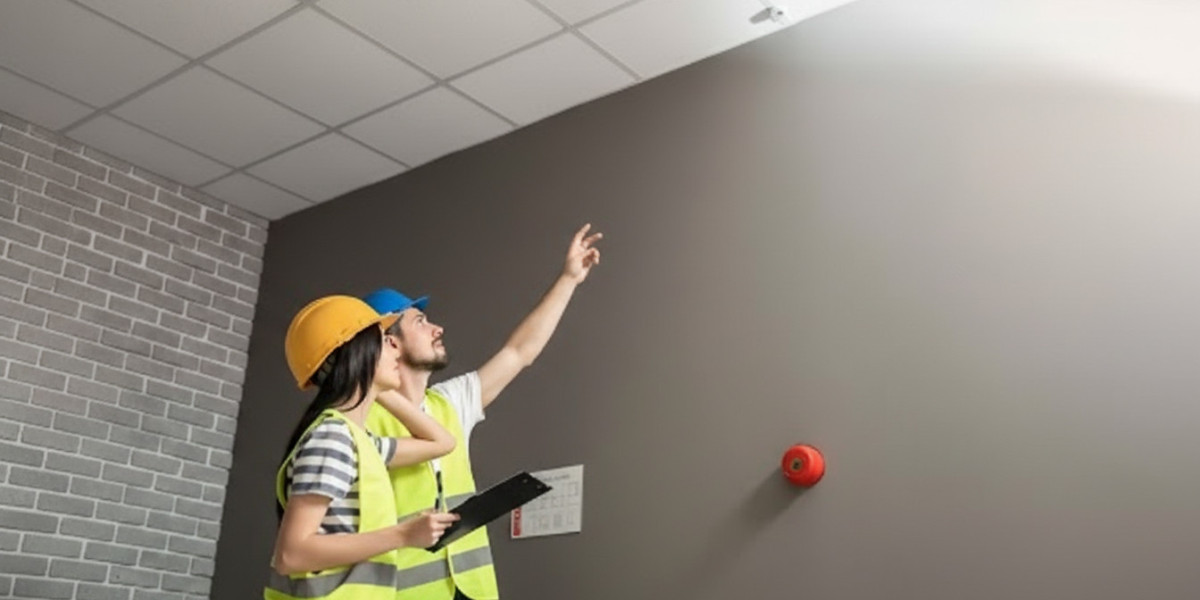

Purchasing a property is an exciting milestone, but it can also come with challenges if hidden defects or unfinished work are overlooked. This is where property snagging becomes essential. Property snagging is the process of thoroughly inspecting a property to ensure it meets quality standards, is safe, and is free from defects before ownership. Understanding this process is crucial for protecting your investment and ensuring a smooth move-in experience.
What is Property Snagging?
Property snagging is the careful examination of a property to identify defects or unfinished work that may have been missed during construction. Snags can include minor cosmetic issues such as scratches on walls or misaligned tiles, as well as functional problems like faulty plumbing, electrical issues, or poorly installed fixtures.
The primary purpose of property snagging is to allow buyers to report defects to the builder or developer so that they can be corrected before taking ownership. This process ensures that the property is delivered in optimal condition and provides peace of mind to the homeowner.
Why Property Snagging Matters
Property snagging is an essential step for anyone purchasing a new build or a recently renovated property. It offers multiple benefits:
Protects Your Investment: Buying a home is a significant financial commitment. Identifying issues early ensures that the property is free from hidden problems that may be expensive to repair later.
Ensures Safety: Certain snags, such as faulty wiring, plumbing leaks, or unstable fixtures, can pose serious safety risks. Identifying these issues before moving in protects the occupants.
Maintains Property Value: A home delivered with defects may lose its value over time. Snagging ensures the property meets the expected quality standards and retains its worth.
Peace of Mind: Knowing your home is defect-free allows you to enjoy your property fully without worry about future issues.
Common Issues Found During Property Snagging
During a snagging inspection, buyers often encounter several recurring problems:
Structural Concerns: Cracks in walls or ceilings, uneven floors, or misaligned doors and windows may point to underlying construction issues.
Plumbing and Electrical Issues: Leaks, faulty taps, low water pressure, malfunctioning showers, or defective electrical outlets can disrupt daily life.
Finishing Defects: Scratches on paintwork, uneven tiling, gaps in flooring, or poorly applied wallpaper are common cosmetic problems.
Fixtures and Fittings: Kitchen cabinets, wardrobes, bathroom fittings, and other installed furniture should be checked for proper installation and function.
Exterior Problems: Issues with roofs, gardens, driveways, or external walls can lead to long-term maintenance problems if not addressed promptly.
How Property Snagging Works
Property snagging can be conducted by the buyer or by hiring a professional surveyor. A professional surveyor has experience identifying defects that may not be noticeable to the untrained eye. The snagging process typically involves:
Inspection: A detailed walkthrough of the property, including both interiors and exteriors, is conducted to spot any defects.
Documentation: Snags are recorded using notes and photographs to create a clear record of issues.
Reporting: A comprehensive report is prepared, detailing all identified problems and recommended corrective actions.
Rectification: The report is shared with the builder or developer, who addresses the issues before handover.
Follow-Up Inspection: After repairs are completed, a final inspection confirms that all defects have been resolved satisfactorily.
DIY Property Snagging Tips
For buyers who prefer to inspect their property themselves, the following tips can be useful:
Prepare a checklist covering all areas including walls, floors, ceilings, plumbing, electrical systems, and fittings.
Inspect during daylight to identify cracks, marks, or uneven surfaces clearly.
Test taps, showers, appliances, and electrical outlets to ensure they are functioning correctly.
Check for damp spots, leaks, or water damage, particularly in kitchens, bathrooms, and basements.
Take photographs of defects for evidence and discussion with the builder.
FAQs About Property Snagging
What is the difference between snagging and a home inspection?
Snagging focuses on new builds and minor defects, while a home inspection assesses the overall condition of an older property, including structural integrity and maintenance needs.
When should property snagging be carried out?
It should be done just before the handover of the property, once construction is nearly complete but before moving in.
Can defects be fixed after snagging?
Yes. The main purpose of snagging is to identify faults so that the builder can fix them before ownership.
Is it necessary to hire a professional surveyor?
While not required, a professional surveyor is highly recommended because they have the expertise to spot hidden defects that may be missed by a buyer.
What if the developer does not fix the snags?
If defects are not addressed, buyers may have legal rights under the purchase agreement to request repairs or escalate the matter.
Conclusion
Property snagging is a vital step in the home-buying process. It ensures that your property is delivered in the expected condition, free from defects, and ready for comfortable living. By carefully inspecting a property and addressing any issues before moving in, homeowners can protect their investment, maintain the value of their property, and enjoy peace of mind. Whether carried out by a professional surveyor or as a careful DIY inspection, property snagging is essential for anyone looking to move into a new home without unexpected surprises. Taking the time to complete this step ensures your property is safe, functional, and truly ready to be called home.