
What Are Diving Goggles?
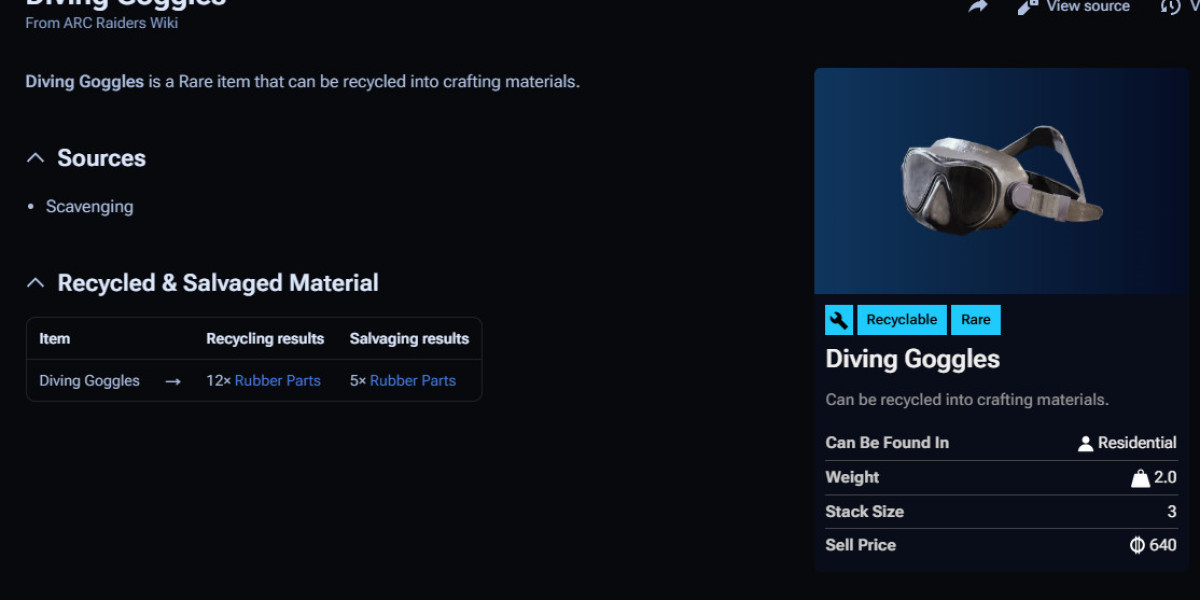
Diving Goggles are classified as a Rare item in Arc Raiders. Their primary function isn’t combat, buffs, or stealth—it’s recycling into crafting materials. You’ll most often find them while scavenging residential areas. They weigh very little (2.0 units) and stack up to three in your inventory. Selling them is an option, but the resale value is modest, around 640 coins, so most experienced players tend to recycle them instead.
In simple terms, think of Diving Goggles as a small, lightweight source of materials rather than something you “use” in the field directly. They are part of a broader strategy where players focus on resource efficiency rather than immediate combat benefits.
Where Can You Find Diving Goggles?
The most consistent source of Diving Goggles is residential scavenging locations. These are common enough that you’ll encounter them regularly if you prioritize exploring homes and urban buildings. Unlike some rare blueprints or gear drops, you don’t need to farm high-level missions to find them.
If your goal is to stockpile materials for crafting, residential areas are the most reliable pick. Keep in mind that they’re rare, so you won’t always find them in every house, but persistence pays off.
How Do You Use Diving Goggles?
The practical use of Diving Goggles is almost exclusively in recycling or salvaging. Here’s how it works in practice:
Recycling: Turning a Diving Goggle into materials yields 12 Rubber Parts. This is the more efficient method if your goal is crafting. Most players prioritize recycling when they have enough storage space, as the output is higher than salvaging.
Salvaging: Salvaging a Diving Goggle gives 5 Rubber Parts. Salvaging might be useful if you’re conserving inventory space or if you’re in the middle of a scavenging run and want to process items on the spot.
In general, recycling is the preferred approach because Rubber Parts are used in many crafting recipes, including basic equipment, armor mods, and some tools. For example, if you’re looking to craft certain gear or even rare blueprints, these parts can make the difference between waiting for drops or building what you need.
Why Not Sell Them?
While selling Diving Goggles is possible, most experienced players avoid it because the coins gained (640 per unit) are low compared to the value of the recycled materials. In long-term progression, Rubber Parts are far more useful than a small amount of cash. Selling might make sense if you’re flush on resources but need coins for a specific purchase, like upgrading a rare blueprint or buying consumables.
On the other hand, if your focus is crafting high-tier gear, keeping Diving Goggles for recycling is almost always the better decision.
How Do Diving Goggles Fit Into a Crafting Strategy?
If you’re looking to maximize your resource efficiency, Diving Goggles fit neatly into crafting routines. Experienced players often set a goal for stockpiling Rubber Parts, and Diving Goggles are one of the easier rare items to recycle for this purpose. For example:
Collect 3 Diving Goggles → recycle → get 36 Rubber Parts.
Use these parts to craft basic tools, mod components, or save them for more advanced recipes.
In some cases, players combine these resources to build rare blueprints. If you’re aiming to expand your arsenal or craft something like the Il Toro, keeping Diving Goggles handy for recycling can save you multiple scavenging runs. In fact, if you want to buy arc raiders Il Toro blueprint, you’ll quickly see why accumulating recycled materials like Rubber Parts is essential—they’re part of the crafting chain needed to unlock higher-tier equipment efficiently.
Tips for Managing Diving Goggles
Stack Wisely: Since Diving Goggles stack up to three, try to keep them consolidated to save inventory space. It’s easy to forget them if your inventory is crowded with other scavenged items.
Prioritize Residential Scavenging: These are your best chance to consistently find Diving Goggles. Urban missions often yield them more reliably than combat-heavy or industrial locations.
Recycle in Bulk: Whenever possible, recycle multiple Diving Goggles at once. This minimizes trips to crafting stations and ensures your Rubber Parts stock stays healthy.
Track Usage: If you’re planning to craft high-tier items, consider keeping a simple note of how many Rubber Parts you have. It helps avoid accidentally selling or misusing rare resources.
Common Player Questions About Diving Goggles
Q: Can I equip them or gain any direct gameplay benefits? A: No, Diving Goggles are purely a resource item. You don’t wear them for stats or buffs—they exist to feed your crafting loop.
Q: Are they worth farming specifically? A: Only if you need Rubber Parts for crafting. Most players encounter enough Diving Goggles naturally while scavenging residential areas, so dedicated farming is rarely necessary.
Q: How rare are they? A: They’re classified as Rare, meaning they won’t appear in every scavenging run. Persistence and thorough exploration are key.
Q: Should I salvage or recycle? A: Recycling is almost always better. Salvaging gives less Rubber Parts per item, so only use it when inventory or mission conditions make recycling inconvenient.
Diving Goggles in Arc Raiders aren’t flashy, but they’re a practical tool for crafting-focused players. They’re lightweight, stackable, and easy to find if you focus on residential scavenging. The main takeaway is that they exist to provide Rubber Parts through recycling or salvaging.
For players aiming to build rare blueprints or high-tier equipment, keeping Diving Goggles for recycling is a smart choice. They’re not a combat item, but in terms of resource management and crafting efficiency, they are one of the small but meaningful items that can save you time and trips across the map. Whether you’re preparing to craft basic tools or working toward higher-tier gear like Il Toro, understanding how Diving Goggles function will help you maintain a steady flow of materials without wasted effort.