
Yes, pneumonia can often be prevented with vaccines, although vaccination does not eliminate all possible causes. Pneumonia is a complex respiratory condition with multiple bacterial, viral, and fungal origins. Vaccines target the most common and most dangerous pathogens, significantly reducing illness severity, hospitalization rates, and mortality worldwide. Understanding how vaccines contribute to prevention and how they fit into broader pneumonia management is essential for public health professionals, healthcare providers, and pharmaceutical stakeholders.
Understanding Pneumonia and Its Causes
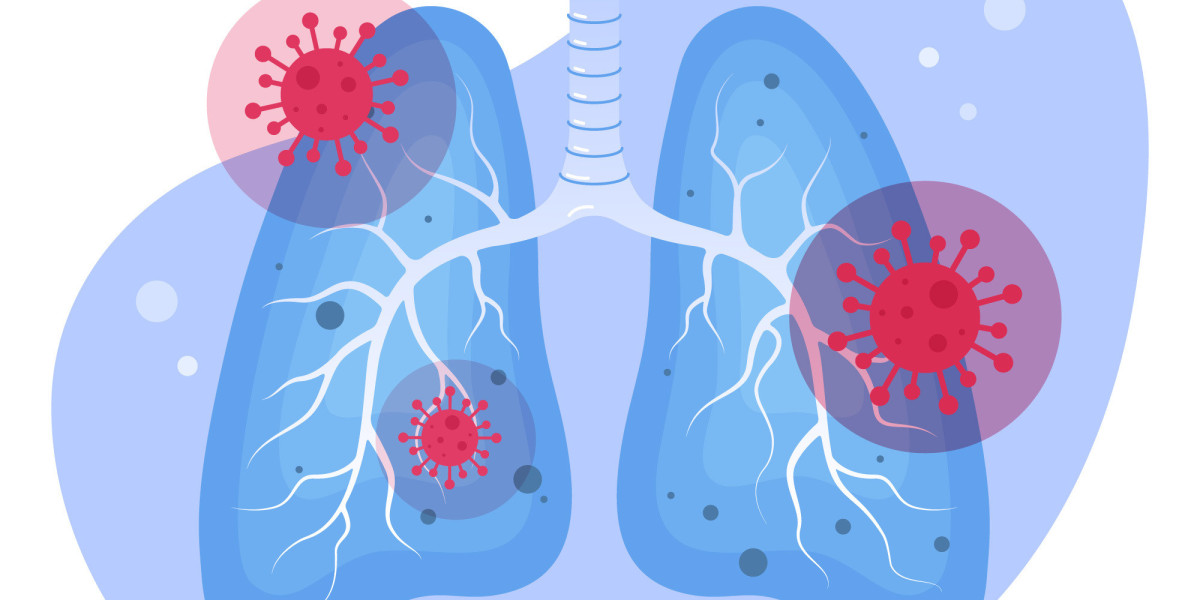
Pneumonia is an inflammatory condition of the lungs that primarily affects the alveoli. It can be caused by bacteria, viruses, or, less commonly, fungi. The most frequent bacterial cause is Streptococcus pneumoniae, while viral pneumonia is often associated with influenza viruses, respiratory syncytial virus (RSV), and SARS-CoV-2.
Risk factors include:
Advanced age (especially over 65)
Young children under five
Chronic illnesses such as diabetes, COPD, and cardiovascular disease
Weakened immune systems
Smoking and poor nutritional status
Because pneumonia has diverse etiologies, no single vaccine can prevent all cases. However, several vaccines target the most prevalent pathogens and dramatically reduce disease burden.
Key Vaccines That Prevent Pneumonia
Pneumococcal Vaccines
Pneumococcal vaccines are the cornerstone of pneumonia prevention. They protect against Streptococcus pneumoniae, which causes invasive pneumococcal disease (IPD), including pneumonia, meningitis, and bacteremia.
Common types include:
PCV13, PCV15, and PCV20 (Pneumococcal Conjugate Vaccines) – commonly used in children and adults
PPSV23 (Pneumococcal Polysaccharide Vaccine) – typically recommended for older adults and high-risk populations
These vaccines have been shown to reduce:
Pneumonia-related hospitalizations
Severe complications
Antibiotic resistance by preventing infections before treatment is needed
Influenza Vaccines
Influenza is a major cause of viral pneumonia and a leading trigger for secondary bacterial pneumonia. Annual influenza vaccination significantly lowers the risk of:
Influenza-associated pneumonia
Hospitalization and ICU admission
Death in elderly and immunocompromised patients
Influenza vaccination also indirectly reduces the need for antibiotic therapies, such as ceftriaxone injection wholesale supplies, which are frequently used in hospital-based pneumonia treatment.
COVID-19 Vaccines
COVID-19 frequently manifests as viral pneumonia. Vaccination reduces:
Severe lung involvement
Oxygen dependency
Progression to acute respiratory distress syndrome (ARDS)
Although breakthrough infections can occur, vaccinated individuals experience milder disease and faster recovery, reducing strain on healthcare systems.
Other Relevant Vaccines
Haemophilus influenzae type b (Hib) vaccine: Particularly effective in preventing pediatric pneumonia
Measles and pertussis vaccines: Prevent viral and bacterial infections that can lead to pneumonia complications
Vaccine Effectiveness vs. Antibiotic Treatment
Vaccines are preventive, whereas antibiotics are therapeutic. In bacterial pneumonia cases, antibiotics remain essential. Broad-spectrum agents like ceftriaxone are widely used due to their effectiveness against common pathogens.
From a pharmaceutical supply perspective, demand for ceftriaxone injection wholesale products remains strong, particularly in regions with limited vaccination coverage. However, increasing vaccination rates can:
Reduce antibiotic overuse
Slow antimicrobial resistance
Lower healthcare costs associated with prolonged hospital stays
Vaccination and antibiotic treatment should be viewed as complementary strategies, not competing ones.
Public Health Impact of Pneumonia Vaccination
Widespread immunization has produced measurable global benefits:
Significant declines in childhood pneumonia mortality
Reduced hospital admissions among elderly populations
Lower transmission rates through herd immunity
According to global health data, countries with high pneumococcal and influenza vaccine coverage report substantially fewer severe pneumonia cases, resulting in decreased reliance on injectable antibiotics such as ceftriaxone.
Limitations of Vaccines in Pneumonia Prevention
While vaccines are highly effective, they are not absolute solutions. Limitations include:
Strain coverage gaps (not all pneumococcal serotypes are included)
Reduced immune response in elderly or immunocompromised individuals
Pneumonia caused by non-vaccine pathogens, including fungi and atypical bacteria
Therefore, surveillance, early diagnosis, and appropriate treatment protocols including access to reliable ceftriaxone injection wholesale supply chains remain critical.
Role of Vaccines in Antimicrobial Resistance Control
Antimicrobial resistance (AMR) is a growing global threat. Vaccines help mitigate AMR by:
Preventing infections before antibiotics are needed
Reducing inappropriate antibiotic prescriptions
Lowering overall antibiotic consumption
This has direct implications for injectable antibiotics, including ceftriaxone, whose effectiveness must be preserved through responsible use.
Conclusion
Vaccines play a vital role in preventing pneumonia, particularly severe and life-threatening forms caused by common bacterial and viral pathogens. Pneumococcal, influenza, and COVID-19 vaccines have transformed pneumonia prevention and significantly reduced global disease burden.
However, vaccines are part of a broader prevention and treatment ecosystem. Effective pneumonia control requires:
High vaccination coverage
Public health education
Early diagnosis
Access to quality antibiotics, including ceftriaxone injection wholesale distribution for hospital care
By integrating vaccination programs with rational antibiotic use, healthcare systems can achieve better patient outcomes, reduce antimicrobial resistance, and ensure sustainable management of pneumonia worldwide.