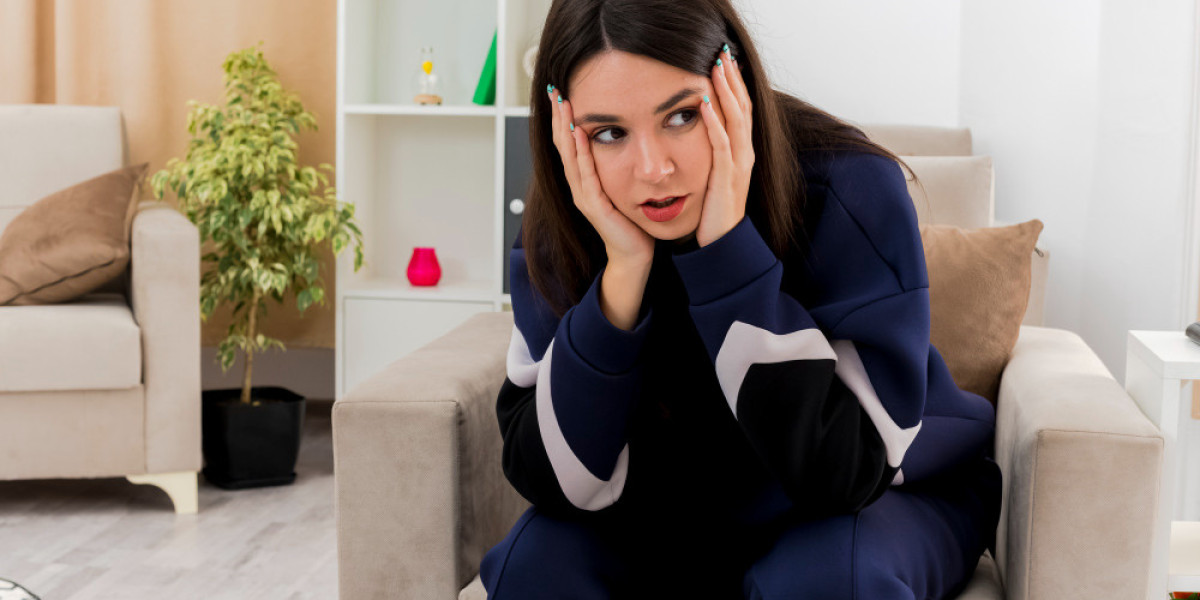

Anxiety is often misunderstood as something temporary or simply part of a stressful lifestyle. Many people dismiss early warning signs, believing they will pass on their own. In a busy city like London, where long work hours and constant pressure are common, anxiety symptoms can quietly blend into everyday life. However, when anxiety is left unaddressed, it can gradually affect emotional wellbeing, relationships, and physical health. Recognising the symptoms early is key to preventing anxiety from becoming overwhelming. With the right support and guidance, anxiety can be managed effectively, allowing individuals to regain control and improve their quality of life.
Understanding Anxiety and How It Affects Daily Life
Anxiety is more than occasional worry or nervousness. It is a persistent state of heightened alertness that can impact how a person thinks, feels, and behaves. Anxiety often affects concentration, decision-making, and emotional regulation. Over time, untreated anxiety can lead to emotional exhaustion, reduced confidence, and physical discomfort. While anxiety can feel isolating, it is a common and manageable condition. With professional support and appropriate coping strategies, individuals can learn to reduce anxiety’s impact and restore emotional balance.
Emotional Anxiety Symptoms You Shouldn’t Ignore
Constant Worry or Overthinking
One of the most common emotional symptoms of anxiety is persistent worry. This may involve constantly anticipating negative outcomes, replaying conversations, or overthinking everyday situations. Even when things are going well, the mind may remain stuck in “what if” scenarios. This ongoing mental strain can lead to exhaustion and make it difficult to relax or enjoy the present moment.
Irritability and Emotional Sensitivity
Anxiety doesn’t always appear as fear. It can show up as irritability, frustration, or emotional sensitivity. Small challenges may feel overwhelming, and emotional reactions can seem out of proportion. This heightened sensitivity often affects interactions with others, creating tension in both personal and professional relationships.
Physical Anxiety Symptoms That Are Often Overlooked
Sleep Disturbances and Fatigue
Difficulty falling asleep, waking frequently during the night, or feeling tense upon waking are common physical signs of anxiety. Poor sleep can intensify anxious thoughts, creating a cycle that becomes difficult to break. Over time, lack of restorative sleep can affect mood, focus, and overall health.
Physical Tension and Discomfort
Anxiety often manifests physically through muscle tension, headaches, digestive issues, or a racing heart. Shallow breathing and constant restlessness are also common. These symptoms are sometimes mistaken for physical health problems, when in reality they are the body’s response to prolonged stress and anxiety.
Behavioural Signs of Anxiety
Anxiety can influence behaviour in subtle ways. People may begin avoiding social situations, responsibilities, or unfamiliar experiences due to fear or discomfort. Procrastination is another common sign, driven by anxiety about making mistakes or not meeting expectations. Some individuals seek constant reassurance from others, while others struggle to fully relax or stay present. These behavioural patterns can gradually limit daily life and reduce overall confidence.
When Anxiety Starts Affecting Your Relationships and Work
As anxiety progresses, it often begins to affect relationships and professional life. Communication may suffer as anxiety reduces patience and emotional availability. At work, anxiety can interfere with concentration, productivity, and decision-making. Emotional withdrawal or isolation may occur as individuals try to cope privately. At this stage, seeking professional support becomes increasingly important to prevent further emotional strain.
How an Anxiety Therapist in London Can Help
Working with a therapist provides structured support tailored to individual needs. A therapist helps identify anxiety triggers, understand unhelpful thought patterns, and develop practical coping techniques. These strategies may include grounding exercises, emotional regulation skills, and healthier ways to respond to stress.
Some individuals may also benefit from support outside the city, such as working with an anxiety therapist essex, particularly if they prefer a quieter setting or local services. Additionally, integrated support from a wellness therapy centre can offer a holistic approach to managing anxiety by addressing emotional, mental, and lifestyle factors together.
When Should You Seek Professional Support?
It may be time to seek help if anxiety feels constant, overwhelming, or difficult to manage alone. If symptoms interfere with sleep, relationships, or daily responsibilities, professional support can make a significant difference. Anxiety is not a personal failure, and early intervention often leads to better long-term outcomes. Addressing anxiety sooner rather than later can prevent it from escalating into more complex mental health concerns, such as depression, which may require approaches like depression therapy London.
Taking Control of Anxiety and Moving Forward
Anxiety does not define who you are, and it does not have to control your future. With the right guidance, individuals can build emotional resilience and regain confidence in their ability to cope. Therapy encourages self-awareness, healthier habits, and stronger emotional foundations.
For those whose anxiety impacts relationships or family dynamics, additional support such as marriage counselling essex or family counseling services can help improve communication and emotional understanding. Taking the first step toward support is an investment in long-term wellbeing and a more balanced, fulfilling life.