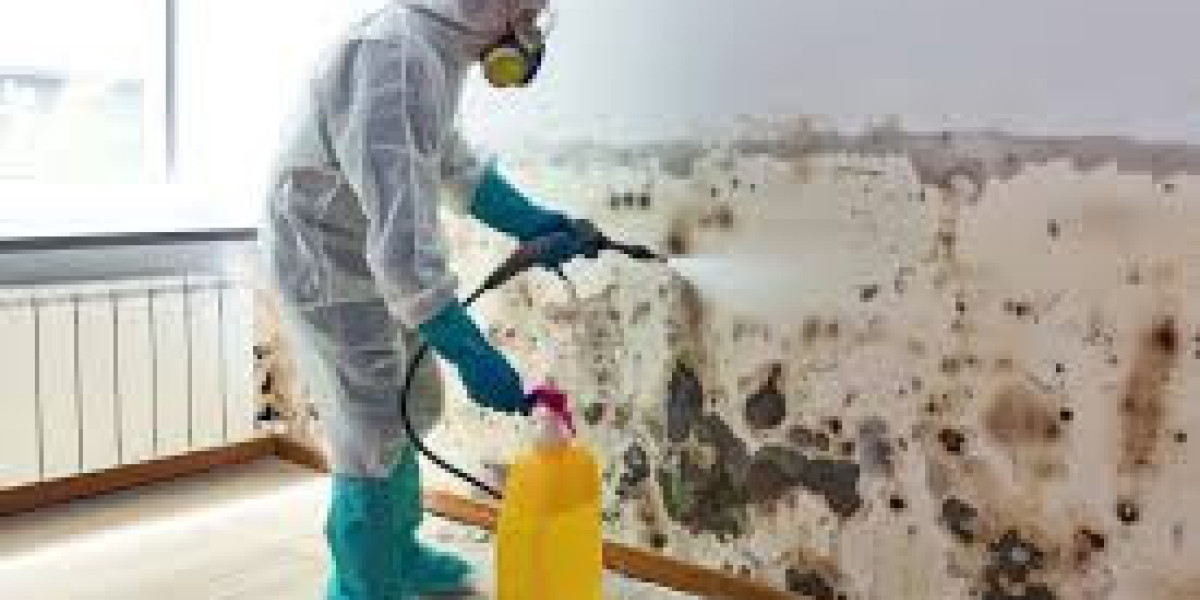

When dealing with hazardous materials, safety is paramount. Hazmat cleaning, or hazardous materials cleanup, is a specialized service designed to manage, contain, and remove dangerous substances that pose a threat to human health and the environment. Whether it's a chemical spill, biohazard incident, or industrial accident, hazmat cleaning professionals ensure that contaminated areas are restored safely and efficiently.
What Is Hazmat Cleaning?
Hazmat cleaning involves the identification, containment, and removal of hazardous substances. These substances can include chemicals, biological agents, toxins, and radioactive materials. Professionals trained in hazmat cleaning use specialized equipment and follow strict protocols to prevent contamination and exposure. The goal is not only to clean but to make the area safe for people and the environment.
Hazmat cleaning is commonly needed in situations such as:
Chemical spills: Accidental release of toxic chemicals in industrial settings.
Biohazard incidents: Blood, bodily fluids, or infectious materials that require decontamination.
Industrial accidents: Exposure to hazardous substances due to equipment failure or improper handling.
Environmental hazards: Oil spills, asbestos contamination, or mold infestations that pose health risks.
Importance of Hazmat Cleaning
The importance of hazmat cleaning cannot be overstated. Hazardous substances can have severe health implications, including respiratory issues, chemical burns, infections, and long-term illnesses like cancer. Improper handling of these materials can lead to legal liabilities, fines, and severe environmental damage.
Professional hazmat cleaning ensures that:
Health risks are minimized: Trained technicians use protective gear and follow strict procedures to prevent exposure.
Contamination is contained: Proper containment prevents hazardous materials from spreading to other areas.
Legal compliance is maintained: Businesses and property owners must comply with regulations from organizations like OSHA (Occupational Safety and Health Administration) and EPA (Environmental Protection Agency).
Property is safely restored: Hazmat cleaning prepares the affected site for safe use, restoring normal operations or residential safety.
Hazmat Cleaning Process
The hazmat cleaning process is meticulous and follows strict protocols. While procedures may vary depending on the type of hazard, the general steps include:
1. Assessment and Evaluation
Before cleanup begins, professionals assess the situation to identify the type and extent of contamination. This step involves testing and analyzing materials to determine the appropriate cleaning methods and protective measures.
2. Containment
Containing the hazardous material is crucial to prevent it from spreading. Technicians may use barriers, absorbent materials, or specialized containment units to isolate the contaminated area.
3. Removal and Decontamination
Hazardous substances are carefully removed using specialized equipment. For chemical spills, neutralizing agents may be applied. Biohazards like blood or bodily fluids require disinfection with EPA-approved solutions. All waste is then safely packaged for proper disposal.
4. Cleaning and Sanitization
After removal, the affected area undergoes thorough cleaning and sanitization. This ensures that no residual hazardous materials remain. High-grade cleaning agents and industrial-grade equipment may be used depending on the type of contamination.
5. Disposal
Hazmat cleaning companies follow strict disposal regulations to ensure hazardous waste is safely transported to approved facilities. Improper disposal can lead to severe fines and environmental harm.
6. Final Inspection and Clearance
Once cleaning is complete, a final inspection ensures that the area is safe for occupancy. In some cases, air quality testing or surface swab tests may be conducted to confirm the absence of harmful substances.
Types of Hazmat Cleaning
Hazmat cleaning covers a wide range of scenarios. Some of the most common types include:
1. Chemical Hazmat Cleaning
Chemical spills, industrial toxins, and hazardous liquids require specialized cleanup procedures. Technicians use protective gear and chemical neutralizers to safely remove dangerous substances.
2. Biohazard Cleaning
This type of cleaning involves the removal of biological contaminants such as blood, bodily fluids, and infectious materials. Biohazard cleaning is critical in crime scenes, accidents, and healthcare facilities.
3. Asbestos and Lead Cleaning
Older buildings may contain asbestos or lead-based paints. Hazmat cleaning professionals are trained to safely remove and dispose of these materials, preventing long-term health risks.
4. Mold Remediation
Toxic mold growth can pose serious health hazards. Hazmat cleaning specialists identify mold sources, remove contaminated materials, and treat affected areas to prevent regrowth.
5. Environmental Hazards
Oil spills, chemical leaks, and radioactive contamination require advanced hazmat cleaning methods to protect the environment and public health.
Choosing a Hazmat Cleaning Company
Selecting the right hazmat cleaning company is critical for ensuring safety and compliance. Key factors to consider include:
Certifications and training: Ensure the company is certified by relevant authorities and employs trained technicians.
Experience: Choose a company with experience handling the specific type of hazard you are dealing with.
Equipment and safety protocols: The company should use advanced protective gear, cleaning agents, and follow OSHA and EPA guidelines.
Emergency response capabilities: Hazmat incidents often require rapid response. Companies with 24/7 emergency services are ideal.
Conclusion
Hazmat cleaning is an essential service that ensures the safety of individuals, property, and the environment in the face of hazardous material incidents. From chemical spills to biohazards, these specialized cleaning professionals follow rigorous procedures to contain, remove, and safely dispose of dangerous substances.
By hiring trained hazmat cleaning experts, you not only protect your health but also ensure legal compliance and environmental responsibility. In situations involving hazardous materials, professional hazmat cleaning is not just a choice—it’s a necessity.